






Coen Brothers’ Unique Cinema
Joel and Ethan Coen stand among American cinema’s most distinctive voices–writer-director-producer siblings whose films defy easy categorisation. Their work blends dark comedy, crime, philosophy, literary references, and regional American culture into utterly unique cinematic experiences. “O Brother, Where Art Thou?” (2000), airing April 1st on Viasat Kino Balkan, exemplifies the Coen Brothers’ trademark style: a Depression-era Southern odyssey that reimagines Homer’s Odyssey, featuring chain-gang escapees, gospel music, and George Clooney’s breakout comedic performance.
The Coen Brothers: Partnership and Artistic Vision
Joel and Ethan Coen have collaborated on virtually every aspect of their films since their debut, “Blood Simple” (1984). While Joel is typically credited as director and Ethan as producer, both write, edit (under the pseudonym “Roderick Jaynes“), and share creative decisions equally. This unique partnership has produced some of American cinema’s most memorable films.
Early Success: Blood Simple to Fargo
The Coen Brothers established their reputation with early films that mixed genre conventions with dark humour and violence. “Blood Simple” (1984) was a neo-noir thriller, “Raising Arizona” (1987) a screwball comedy, and “Miller’s Crossing” (1990) a gangster period piece. “Fargo” (1996) brought them mainstream success, Oscar wins, and critical acclaim that cemented their status as American auteurs.
Career-Long Themes: Moral Chaos and Flawed Humanity
Coen Brothers films typically feature ordinary people whose bad decisions spiral into violent chaos. Their protagonists are often well-meaning but flawed, making understandable but fatal mistakes. This moral universe—where competence doesn’t guarantee success and innocence doesn’t ensure survival-creates dark comedy that explores free will, fate, and human fallibility.
“O Brother, Where Art Thou?“: Homer Meets the Depression South
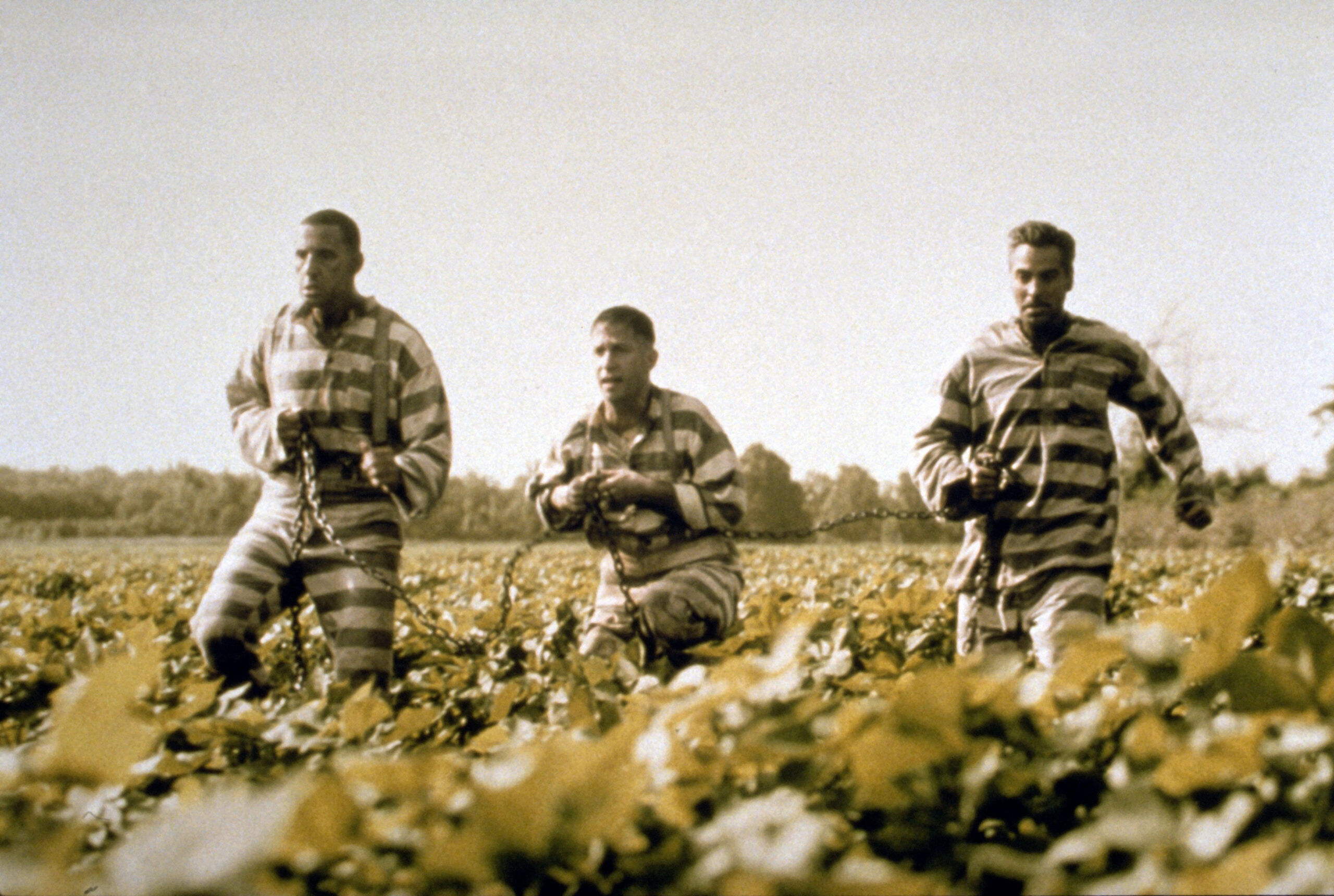
“O Brother, Where Art Thou?” represents the Coen Brothers at their most playful, reimagining Homer’s Odyssey as a Depression-era Southern adventure. The film follows three escaped convicts–Ulysses Everett McGill (George Clooney), Pete (John Turturro), and Delmar (Tim Blake Nelson)—as they journey across Mississippi seeking buried treasure while pursued by a relentless lawman.
The Odyssey Parallel: Classical Literature in American Setting
The Coens loosely adapted Homer’s Odyssey, transposing ancient Greek characters and episodes to 1930s Mississippi. Ulysses (the Roman name for Odysseus) leads his companions through a series of adventures that echo the epic poem: sirens become seductive baptism seekers, the Cyclops is a one-eyed Bible salesman, Circe appears as a seductive cousin, and home remains the ultimate destination.
However, the Coens claim they never actually read The Odyssey, relying instead on cultural knowledge of the story. Whether true or provocative, this statement reflects their approach—using familiar structures as frameworks for original storytelling rather than faithful adaptation.
The Cast: George Clooney’s Comedic Breakthrough
“O Brother” proved George Clooney could excel at screwball comedy, not just dramatic leading roles. His Ulysses Everett McGill is vain, verbose, self-important, yet undeniably charming. Clooney’s performance—adopting a Southern accent, pomading his hair, delivering rapid-fire archaic dialogue—demonstrated comedic range that led to later roles in Coen Brothers films and broader career success.
John Turturro and Tim Blake Nelson provide perfect counterpoints as Pete and Delmar–Pete is perpetually anxious, Delmar is simple but good-hearted. The trio’s chemistry drives the film, with their banter and mishaps creating both comedy and surprising pathos.
Music: Soundtrack as Character
“O Brother” features one of cinema’s most celebrated soundtracks, produced by T Bone Burnett. The old-time, bluegrass, gospel, and folk music isn’t merely background-it’s integral to the story and cultural setting. “Man of Constant Sorrow,” performed (lip-synced) by the Soggy Bottom Boys (the convicts’ accidental musical alter ego), became a surprise hit, reviving interest in traditional American music.
The soundtrack sold millions, won a Grammy, and introduced a new generation to bluegrass and old-time music. The film’s success demonstrated that period music could appeal to modern audiences when presented authentically and integrated meaningfully into storytelling.
Visual Style: Sepia-Toned Nostalgia
Cinematographer Roger Deakins (a frequent Coen Brothers collaborator) created “O Brother’s” distinctive look through early digital color grading, giving the film a sepia-toned, sun-bleached aesthetic that evokes Depression-era photographs. This visual style—warm, dusty, slightly unreal—creates mythic quality appropriate to the Odyssey connection while grounding the story in recognizable American landscapes.
Coen Brothers Techniques: What Makes Their Films Distinctive
Coen Brothers films share identifiable characteristics that make them instantly recognizable:
Genre Blending: Defying Categories
The Coens rarely make pure genre films. “O Brother” is simultaneously a comedy, an adventure, a musical, a crime story, and a classical adaptation. “Fargo” mixes crime thriller with dark comedy with character study. “The Big Lebowski” is film noir meets stoner comedy meets philosophical meditation. This genre fluidity keeps audiences off-balance, never quite certain where stories will lead.
Regional America: Specific Settings as Character
Coen Brothers films are deeply rooted in specific American regions: Minnesota (“Fargo“), Texas (“No Country for Old Men“), New York (“Inside Llewyn Davis“), the Southwest (“Raising Arizona“), and the South (“O Brother“). They capture regional dialects, culture, landscape, and attitudes with ethnographic precision, avoiding Hollywood homogenization.
Dark Humor: Violence Meets Absurdity
Coen films find humor in violence, failure, and human foolishness. This dark comedy can be uncomfortable—laughing at characters’ suffering or stupidity creates moral tension. The Coens trust audiences to navigate this ambiguity, refusing to signal clearly when to laugh versus when to cringe.
Literary Influences: Highbrow Meets Lowbrow
The Coens reference classical literature (Homer, Cormac McCarthy, Dashiell Hammett) while embracing popular culture (westerns, film noir, screwball comedy). This combination of highbrow and lowbrow creates accessible films with hidden depths—casual viewers enjoy surface entertainment while cinephiles appreciate literary allusions and film history references.
The Coen Brothers Legacy: Influence on Modern Cinema
The Coen Brothers have inspired countless filmmakers who attempt to replicate their unique voice. Wes Anderson, Paul Thomas Anderson, Taika Waititi, and others show Coen influence in their distinctive dialogue, precise framing, and tonal mixing.
Awards and Recognition
The Coens have won four Oscars: Best Picture, Best Director, Best Original Screenplay for “No Country for Old Men” (2007), and Best Original Screenplay for “Fargo” (1996). They’ve received numerous additional nominations and won multiple awards at Cannes, Venice, and other festivals.
Critical Reassessment: Films That Grow in Reputation
Some Coen Brothers films initially received mixed reviews but gained appreciation over time. “The Big Lebowski” was modestly received on release but became a cult classic with annual festivals and devoted fan communities. “Inside Llewyn Davis” seemed minor on release but is now considered among their best. This delayed appreciation suggests their films reward repeated viewing and deeper consideration.
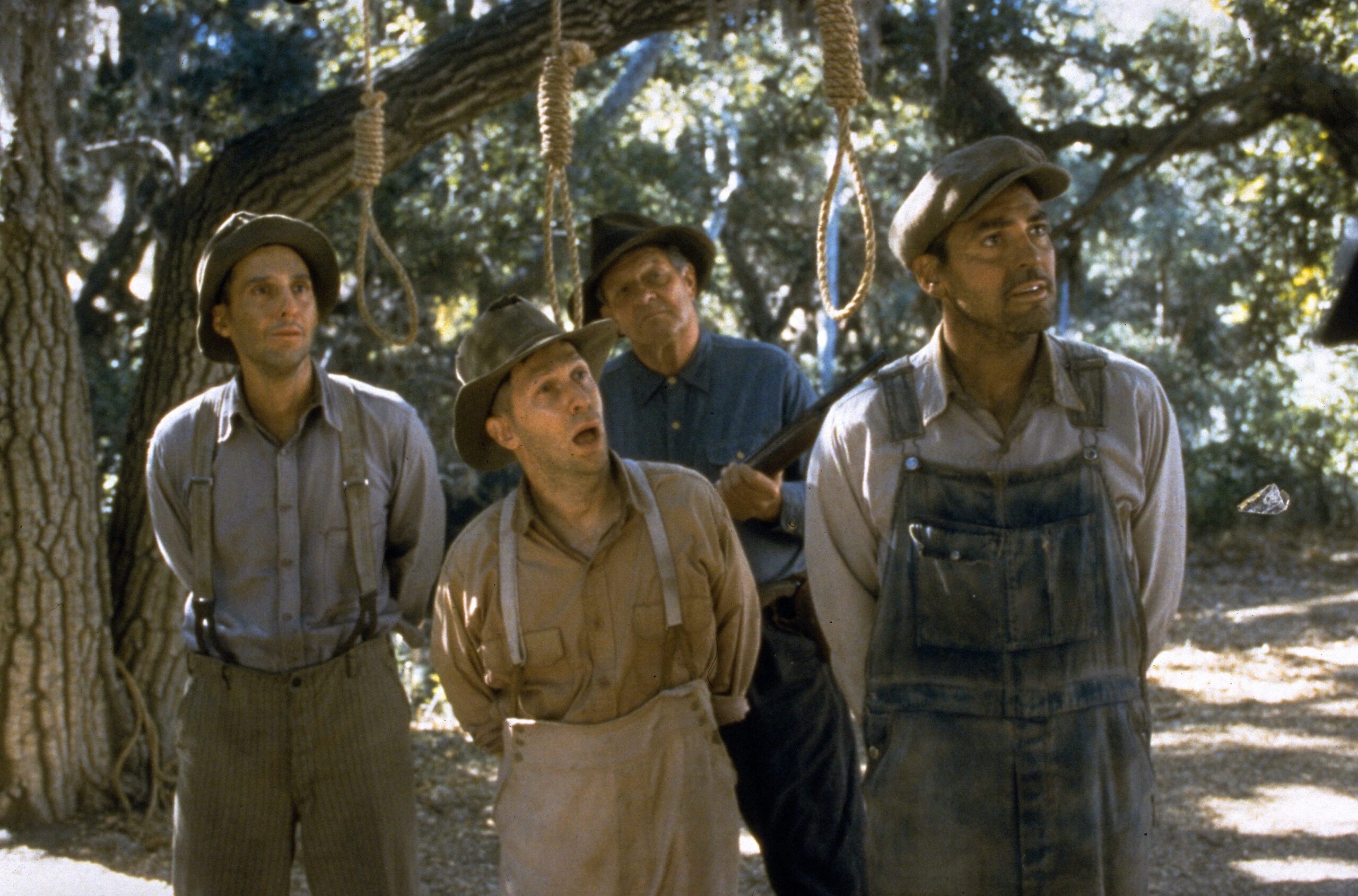
Watch Coen Brothers Cinema on Viasat Kino Balkan
This April, experience “O Brother, Where Art Thou?“-a perfect introduction to the Coen Brothers‘ unique vision, blending comedy, adventure, music, and classical literature in a distinctly American package.
Viewing Schedule
O Brother, Where Art Thou? (2000) – Adventure/Comedy/Crime
- Wednesday, April 1, 2026 at 12:45 (12:45 PM EET)
- Directors: Joel Coen, Ethan Coen | Cast: George Clooney, John Turturro, Tim Blake Nelson
- Depression-era odyssey through the American South with Grammy-winning bluegrass soundtrack
FAQ: Coen Brothers
Q: Do Joel and Ethan Coen actually work equally on their films?
A: Yes, despite credits typically showing Joel as director and Ethan as producer, both brothers collaborate equally on writing, directing, editing, and creative decisions. They’ve said they can’t remember who contributes which ideas. Since “The Ballad of Buster Scruggs” (2018), they’ve been co-credited as directors on all projects.
Q: Is O Brother Where Art Thou? really based on The Odyssey?
A: The film loosely adapts The Odyssey’s structure and episodes to a Depression-era Southern setting. However, the Coens claim they never read the original text, relying on cultural knowledge of the story. Whether true or a joke, the film clearly echoes Odysseus’s journey while being entirely original in its American cultural specificity.
Q: Why is the music so important in O Brother Where Art Thou?
A: The soundtrack serves multiple functions: establishing period authenticity, driving the plot (the Soggy Bottom Boys’ accidental fame), and celebrating American musical heritage. T Bone Burnett’s production introduced millions to traditional music, sparking renewed interest in bluegrass and old-time genres. The music isn’t background—it’s essential to the film’s soul.
Q: What other Coen Brothers films are considered essential?
A: Essential Coen films include: “Fargo” (crime comedy, Oscar winner), “The Big Lebowski” (cult classic comedy), “No Country for Old Men” (thriller, Best Picture Oscar), “True Grit” (western remake), “Inside Llewyn Davis” (folk music drama), “Raising Arizona” (early screwball comedy), and “Miller’s Crossing” (gangster period piece).
Q: Why do Coen Brothers films feel so unique?
A: Multiple factors create their distinctive style: genre blending that defies easy categorization, dark humor mixing violence and absurdity, regional American settings rendered with anthropological precision, literary influences combined with popular culture, meticulous dialogue featuring archaic or stylized language, and refusal to provide clear moral guidance or emotional cues.
Q: Did George Clooney sing in O Brother Where Art Thou?
A: No, George Clooney lip-synced to Dan Tyminski’s vocals for “Man of Constant Sorrow” and other songs. Clooney has joked about his lack of singing ability, making the character’s musical success more ironic. The Soggy Bottom Boys’ recordings featured period-appropriate bluegrass musicians coordinated by T Bone Burnett.
Q: Why do some people not like Coen Brothers films?
A: Coen films are deliberately challenging: dark humor that laughs at suffering, ambiguous morality without clear heroes or villains, slow pacing in some films, obscure references that reward cinephiles but may alienate casual viewers, and unhappy endings or unresolved conclusions. Their style is distinctive but polarizing—viewers either love or dislike their unique vision.
Q: What influences shaped the Coen Brothers’ filmmaking?
A: The Coens cite diverse influences: classic Hollywood (film noir, screwball comedy), European art cinema (Antonioni, Buñuel), American literature (Cormac McCarthy, Dashiell Hammett), classical literature (Homer), and regional American culture (their Minnesota upbringing informs many films). This eclectic mix creates their signature blend of high and low culture, classical and contemporary.