






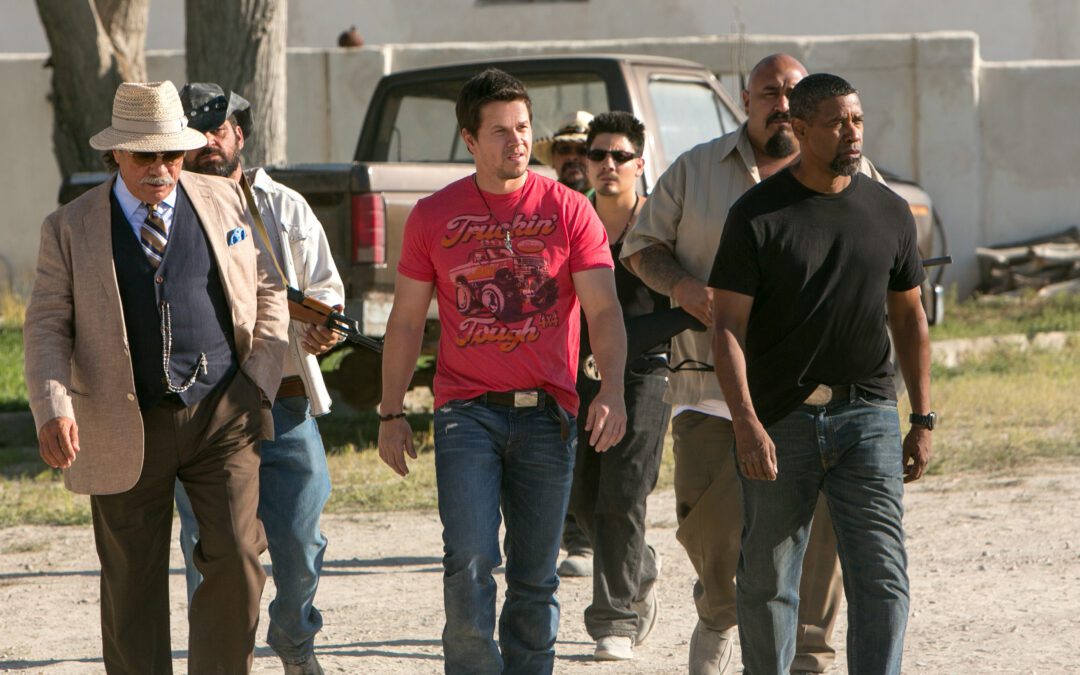
In the pantheon of American cinema, few actors command the screen presence and artistic integrity of Denzel Washington. With a career spanning over four decades, Washington has evolved from a promising television actor into one of Hollywood’s most respected and versatile performers. His ability to inhabit characters with profound authenticity while maintaining an unmistakable screen magnetism has made him a cornerstone of contemporary American film. Whether portraying a principled lawyer fighting prejudice, a corrupt cop walking the line between justice and vengeance, or an everyday transit dispatcher thrust into extraordinary circumstances, Washington brings a depth of humanity that elevates every project he touches.
- What Defines Denzel Washington's Acting Philosophy?
- The Evolution of Denzel Washington Films Through Three Decades
- How Philadelphia Redefined Legal Drama Cinema
- The Taking of Pelham 123: Mastering Tension Through Character
- 2 Guns and the Art of Buddy Comedy Chemistry
- The Psychological Complexity Behind Washington's Character Choices
- Why Denzel Washington Remains Cinema's Most Reliable Leading Man
- Where to Watch
- FAQ: Denzel Washington
What Defines Denzel Washington’s Acting Philosophy?
Denzel Washington’s performances are built upon a foundation of meticulous preparation and an unwavering commitment to truth in character portrayal. Unlike actors who rely purely on charisma or technique, Washington approaches each role as an opportunity to explore the full spectrum of human experience. His methodology combines classical training from Fordham University and the American Conservatory Theater with an intuitive understanding of how power, morality, and vulnerability intersect within individual characters.
This philosophical approach becomes evident when examining his diverse filmography. Washington never simply plays versions of himself; instead, he disappears into characters who often grapple with complex moral landscapes. His performances consistently avoid easy categorization, preferring to explore the gray areas where heroism and flawed humanity coexist. This commitment to authenticity has resulted in characters that feel lived-in rather than performed, creating an emotional resonance that lingers long after the credits roll.
The Evolution of Denzel Washington Films Through Three Decades
The trajectory of Denzel Washington’s career reveals an actor unafraid to challenge both himself and audience expectations. Beginning with his breakthrough role in “Malcolm X,” Washington established himself as an actor capable of carrying weighty biographical dramas. However, rather than remaining trapped within the confines of prestigious historical films, he has consistently sought projects that allow him to explore different facets of performance.
His collaboration with directors like Spike Lee, Tony Scott, and Antoine Fuqua has produced some of cinema’s most memorable characters. Each partnership has revealed different aspects of Washington’s range, from the righteous fury of his early dramatic work to the morally complex antiheroes of his later career. This evolution reflects not just an actor growing more comfortable with his craft, but an artist deliberately pushing against the limitations that Hollywood often places on leading men, particularly actors of color.
The Risk-Taking That Defines Great Denzel Washington Acting
Washington’s willingness to embrace morally ambiguous characters has become a defining characteristic of his mature career. Rather than playing safe with heroic archetypes, he has gravitated toward roles that challenge audience perceptions and expectations. This courage to portray flawed, complicated individuals has resulted in some of his most compelling performances and demonstrates his understanding that great acting often requires making uncomfortable choices.
How Philadelphia Redefined Legal Drama Cinema
Jonathan Demme’s “Philadelphia” represents a watershed moment not only in Denzel Washington films but in American cinema’s approach to social issues. Washington’s portrayal of Joe Miller, the homophobic lawyer who reluctantly takes on Tom Hanks’ discrimination case, could have been a thankless supporting role in less capable hands. Instead, Washington crafts a character arc that serves as the audience’s emotional journey through prejudice, understanding, and ultimately, redemption.
What makes Washington’s performance in “Philadelphia” extraordinary is his commitment to showing Miller’s evolution without shortcuts or easy revelations. The character’s initial discomfort and prejudice feel genuine rather than theatrical, making his gradual transformation all the more powerful. Washington understood that for the film’s message to resonate, audiences needed to see themselves in Miller’s journey from ignorance to empathy.
The courtroom scenes showcase Washington’s ability to balance legal procedural elements with deeply personal stakes. His cross-examinations crackle with intelligence and growing moral conviction, while quieter moments reveal a man grappling with his own assumptions about illness, sexuality, and human dignity. This nuanced approach helped elevate “Philadelphia” beyond typical social issue filmmaking into something more profound and lasting.
The Taking of Pelham 123: Mastering Tension Through Character
Tony Scott’s remake of “The Taking of Pelham 123” provided Washington with an opportunity to demonstrate his mastery of sustained tension within confined dramatic spaces. As Walter Garber, a subway dispatcher whose routine day explodes into crisis, Washington anchors the film’s escalating thriller elements with a performance rooted in working-class authenticity and quiet heroism.
Denzel Washington’s acting in “Pelham 123” showcases his ability to find the extraordinary within ordinary circumstances. Garber begins as an everyman character – competent at his job but unremarkable in his daily routine. Washington’s performance gradually reveals layers of intelligence, courage, and moral fortitude that transform this subway dispatcher into an unlikely hero. The evolution feels organic because Washington never telegraphs the transformation; instead, he allows circumstances to reveal character traits that were always present beneath the surface.
The verbal sparring matches between Washington and John Travolta’s unhinged hijacker demonstrate Washington’s skill at maintaining dramatic tension through dialogue. Each exchange builds upon the previous one, with Washington’s Garber growing more confident and strategic as the crisis unfolds. The performance becomes a masterclass in how great actors can elevate genre material through commitment to character truth.
Building Authentic Blue-Collar Heroism
Washington’s portrayal of working-class heroism in “Pelham 123” avoids the condescension that often plagues such characters in Hollywood films. Garber’s knowledge of the subway system, his relationships with colleagues, and his approach to problem-solving all feel authentically rooted in his professional environment. Washington understands that true heroism often emerges from competence and dedication rather than extraordinary circumstances or superhuman abilities.
2 Guns and the Art of Buddy Comedy Chemistry
Baltasar Kormákur’s “2 Guns” allowed Washington to explore his comedic timing within an action framework, pairing him with Mark Wahlberg in a classic buddy cop scenario with modern sensibilities. Washington’s performance as Bobby Trench demonstrates his ability to balance humor with the underlying tension that drives the film’s double-cross narrative structure.
The chemistry between Washington and Wahlberg becomes the film’s greatest asset, with Washington serving as the cooler, more calculating counterpoint to Wahlberg’s impulsive energy. Denzel Washington performances in comedic contexts reveal an actor comfortable enough with his screen persona to play against type while maintaining the authority and intelligence that define his best work. His delivery of witty one-liners never feels forced because it emerges naturally from his character’s tactical mindset.
Washington’s approach to the action sequences in “2 Guns” demonstrates his understanding of how character motivation drives physical storytelling. Rather than simply executing choreographed movements, he ensures that every action sequence serves to reveal something about Bobby Trench’s background, skills, and strategic thinking. This attention to character detail elevates standard action beats into moments of character revelation.
The Psychological Complexity Behind Washington’s Character Choices
Throughout his career, Denzel Washington has shown a particular affinity for characters wrestling with internal conflicts between duty and desire, morality and pragmatism. This psychological complexity becomes a unifying thread across his diverse filmography, whether he’s playing historical figures, contemporary professionals, or fictional antiheroes. His ability to convey internal struggle without excessive exposition has made him particularly valuable to directors seeking to add depth to potentially straightforward narratives.
Washington’s character work consistently reveals layers of backstory and motivation that may not be explicitly stated in the script. Through subtle physical choices, vocal inflections, and carefully chosen moments of vulnerability, he creates fully realized individuals who feel like they existed before the cameras rolled and will continue existing after they stop. This commitment to character depth has made him a favorite among filmmakers who understand that great movies are built upon great performances.
Why Denzel Washington Remains Cinema’s Most Reliable Leading Man
The consistency of Denzel Washington’s career reflects an actor who has successfully balanced artistic integrity with commercial appeal across multiple decades. His ability to elevate genre material while bringing gravitas to prestige projects has made him one of Hollywood’s most bankable stars without compromising his artistic credibility. This rare combination of qualities has allowed him to work with both emerging filmmakers and established masters throughout his career.
Washington’s influence extends beyond individual performances to his impact on the industry’s approach to leading men. His success has helped expand the possibilities for complex, mature protagonists while demonstrating that audiences hunger for characters who embody intelligence, moral complexity, and authentic humanity. His career serves as a template for how great actors can maintain relevance and artistic growth throughout the changing landscape of American cinema.
Where to Watch
Experience these compelling Denzel Washington films on Viasat Kino Balkan with our upcoming screenings across the region.
Slovenian:
– 2 na muhi – Monday, May 4 at 22:00 EET
– Filadelfija – Thursday, May 14 at 14:45 EET
– Filadelfija – Friday, May 15 at 03:30 EET
Bulgarian:
– Два патлака – Monday, May 4 at 23:00 EET
– Ударът „Пелам 123″: Отвличане в метрото – Sunday, May 24 at 01:45 EET
Romanian:
– 2 pistoale – Monday, May 4 at 23:00 EET
– S-a furat un tren 123 – Sunday, May 24 at 01:45 EET
Serbian:
– 2 пиштоља – Monday, May 4 at 22:00 EET
– Филаделфија – Thursday, May 14 at 14:45 EET
– Филаделфија – Friday, May 15 at 03:30 EET
Croatian:
– 2 igrača – Monday, May 4 at 22:00 EET
– Philadelphia – Thursday, May 14 at 14:45 EET
– Philadelphia – Friday, May 15 at 03:30 EET
Ukrainian:
– Великі сперечальники – Saturday, May 2 at 07:10 EET
– Паркани – Sunday, May 10 at 16:50 EET
– Паркани – Tuesday, May 12 at 12:40 EET
FAQ: Denzel Washington
Q: What makes Denzel Washington’s acting style unique compared to other leading men? A: Washington combines classical theatrical training with intuitive screen presence, creating characters that feel authentically human rather than purely heroic. His commitment to exploring moral complexity sets him apart from actors who rely solely on charisma.
Q: How has Denzel Washington’s career evolved from his early films to recent work? A: Washington has transitioned from playing primarily heroic characters to embracing morally ambiguous roles that challenge audience expectations. This evolution reflects his growing confidence in tackling complex, flawed protagonists that offer greater dramatic depth.
Q: Which Denzel Washington films showcase his range as an actor? A: “Philadelphia” demonstrates his ability to portray character growth and social awakening, “The Taking of Pelham 123” shows his mastery of sustained tension, and “2 Guns” reveals his comedic timing within action frameworks.
Q: What directors have brought out the best in Denzel Washington’s performances? A: Directors like Tony Scott, Spike Lee, and Jonathan Demme have consistently challenged Washington with complex characters that require both emotional depth and technical precision. These collaborations have produced some of his most memorable work.
Q: How does Denzel Washington prepare for his diverse character roles? A: Washington approaches each role through intensive character research and psychological preparation, often finding the universal human elements within specific circumstances. His method focuses on truth and authenticity rather than surface-level characterization.
Q: What impact has Denzel Washington had on contemporary American cinema? A: Washington has expanded the possibilities for complex leading men in Hollywood while consistently delivering both commercial success and critical acclaim. His career demonstrates how great actors can maintain artistic integrity across multiple decades and genres.