





Meryl Streep: The Greatest Living Actress Performances
Meryl Streep stands as arguably the greatest actress of her generation—perhaps of all time—with an unmatched ability to completely transform into wildly different characters. In April 2026 on Viasat Kino Balkan, viewers can witness two of her most acclaimed biographical performances: as legendary chef Julia Child in “Julie & Julia” and as British Prime Minister Margaret Thatcher in “The Iron Lady.” These roles demonstrate Streep’s extraordinary range, meticulous preparation, and uncanny ability to embody real people while maintaining their essential humanity.
- The Streep Phenomenon: 21 Oscar Nominations
- "Julie & Julia": Dual Stories, Single Masterclass
- "The Iron Lady": Embodying Margaret Thatcher
- The Streep Technique: What Makes Her Different
- Streep's Career: Five Decades of Excellence
- Watch Meryl Streep's Transformative Performances on Viasat Kino Balkan
- FAQ: Meryl Streep
The Streep Phenomenon: 21 Oscar Nominations
Meryl Streep holds the record for most Academy Award nominations by any actor—21 total, with 3 wins. This unprecedented achievement reflects not just longevity but consistent excellence across five decades. Critics and audiences alike recognize that a “Meryl Streep performance” guarantees quality, depth, and total commitment to character.
The Streep Method: Preparation and Transformation
What distinguishes Streep from her peers is her obsessive preparation. For every role, she studies accents, mannerisms, vocal patterns, and psychological motivations with scholarly intensity. She doesn’t just play characters—she becomes them so completely that her own personality seems to disappear. This chameleonic ability makes each performance feel like encountering a completely different actress.
Voice coaches, dialect experts, historians, and biographers all contribute to Streep’s preparation process. She reads everything available about her subjects, watches videos obsessively, and practices until impersonation transcends into genuine characterization. The result: performances that honor their real-life subjects while revealing universal truths about human experience.
“Julie & Julia“: Dual Stories, Single Masterclass
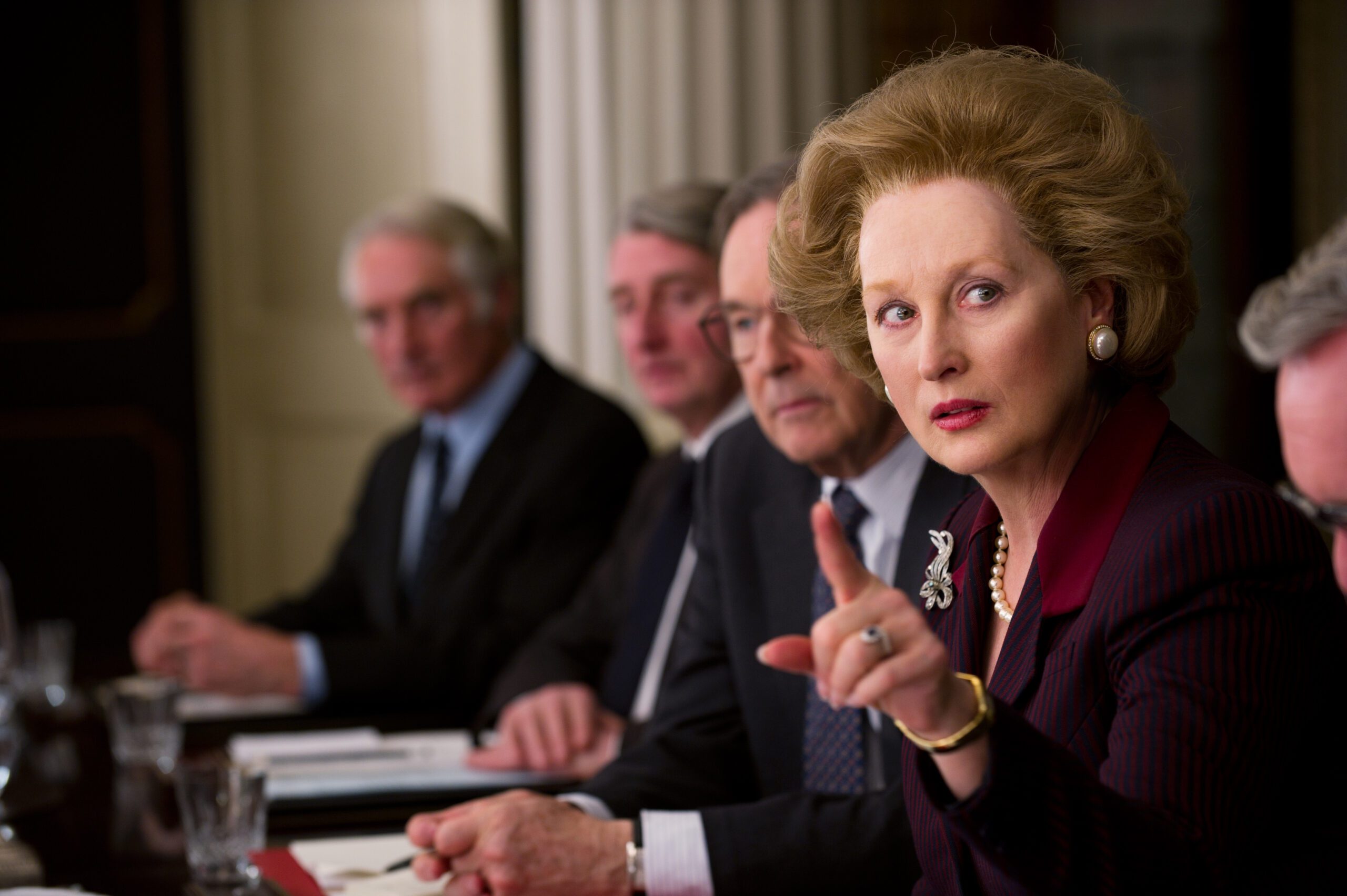
“Julie & Julia” (April 1st & 2nd, Viasat Kino Balkan) presents unique challenges: Streep plays Julia Child in parallel to Amy Adams playing Julie Powell, a modern blogger cooking through Child’s famous cookbook. The film interweaves two timelines, with Streep’s scenes set in 1950s Paris as Child discovered French cuisine and developed the techniques that would revolutionize American cooking.
Becoming Julia Child: Voice, Posture, and Joie de Vivre
Julia Child was instantly recognizable through her distinctive warbling voice, towering height (6’2″), enthusiastic mannerisms, and infectious passion for food. Streep nailed every aspect: the voice is pitch-perfect without becoming caricature, the physicality captures Child’s unique blend of elegance and clumsiness, and most importantly, the performance conveys Child’s genuine love of life and cooking.
Critics noted that Streep avoided the trap of mere impersonation. While her Julia Child is immediately recognizable, the performance reveals the woman behind the public persona—her insecurities, her determination, her love for her husband Paul, and her journey from aimless diplomat’s wife to culinary icon. This depth transforms what could have been mimicry into genuine biography.
Chemistry with Stanley Tucci: The Heart of the Story
Streep’s scenes opposite Stanley Tucci (playing Paul Child) provide the emotional core of “Julie & Julia.” Their relationship—supportive, passionate, equal—demonstrates why Julia could achieve her dreams. Tucci and Streep create palpable chemistry, making their 1950s marriage feel modern and aspirational. The film celebrates this partnership as essential to Julia‘s success.
Director Nora Ephron reportedly gave Streep unusual freedom, trusting her instincts about Julia Child after watching her preparation. The result is a performance that feels spontaneous rather than calculated, capturing the improvisational energy that made Julia Child’s television cooking shows so beloved.
“The Iron Lady“: Embodying Margaret Thatcher
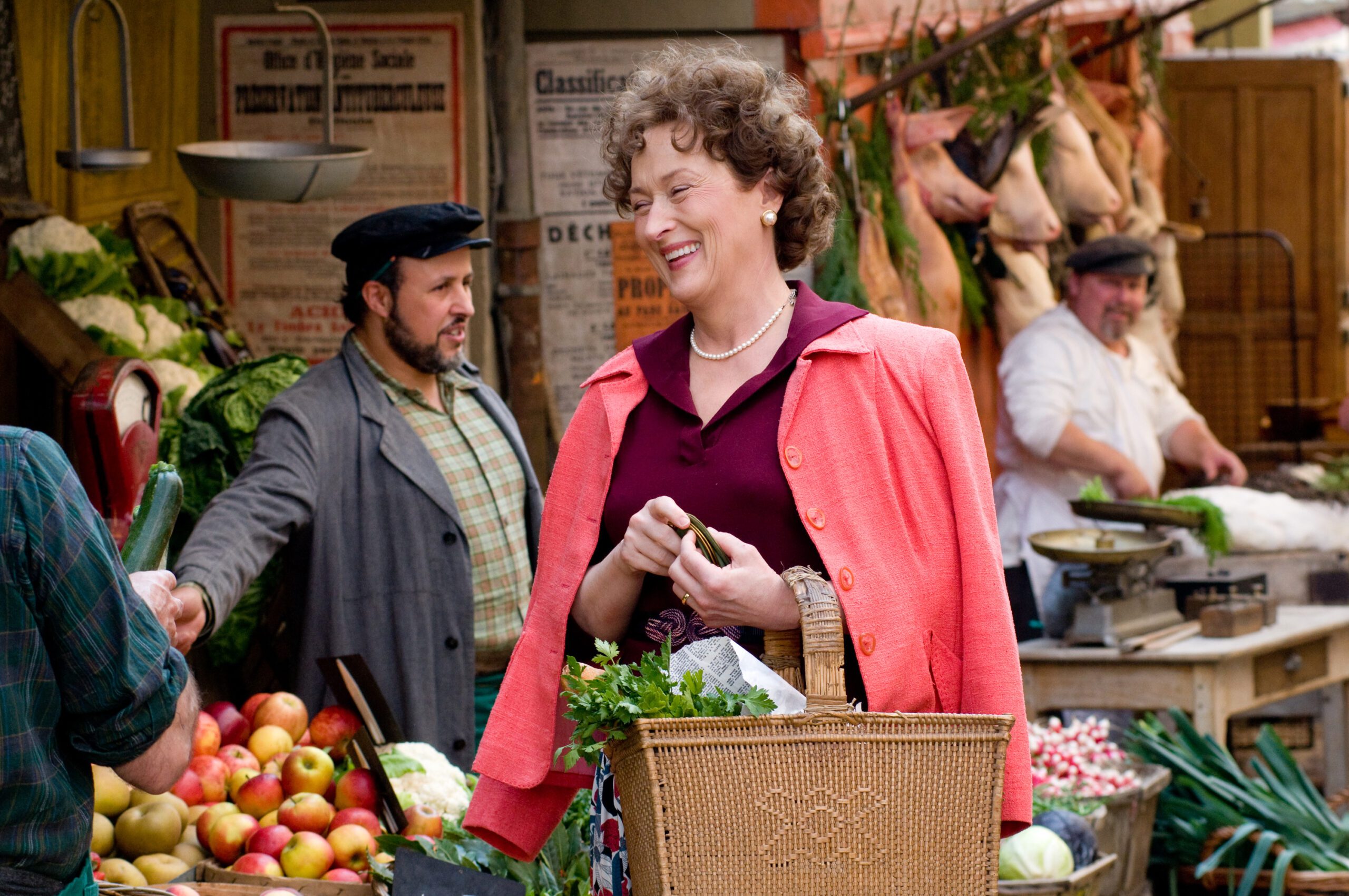
“The Iron Lady” (April 1st, Viasat Kino Balkan) presented different challenges: Margaret Thatcher was recently deceased when the film was made, making it highly political and controversial. Britain remained deeply divided about Thatcher’s legacy—admirers saw her as a strong leader who saved Britain, while critics viewed her as cruel and divisive. Streep had to navigate these competing narratives while creating a three-dimensional character.
The Controversy: Humanizing a Polarizing Figure
“The Iron Lady” framed Thatcher’s story through her elderly dementia, interweaving flashbacks of her political career with present-day scenes of cognitive decline. This structure proved controversial—Thatcher‘s supporters felt it was undignified to show her weakened, while critics felt the film was too sympathetic to a leader they despised.
Streep’s performance transcended the controversy by refusing to judge Thatcher. She portrayed both the young woman breaking barriers in male-dominated politics and the elderly woman losing her memories, finding humanity in both. Streep won her third Oscar for this role, with Academy members recognizing the technical brilliance of the transformation even if they disagreed with the film’s political stance.
Physical Transformation: Makeup, Prosthetics, and Posture
Streep underwent extensive makeup and prosthetic work to resemble Thatcher at various ages, but the physical transformation went beyond cosmetics. She studied Thatcher’s distinctive voice (which Thatcher herself had trained to sound deeper and more authoritative), her handbag-wielding gestures, her precise hand movements during speeches, and her particular way of sitting.
The result is uncanny: Streep disappears completely into Thatcher, yet the performance never feels like impersonation. We see Thatcher making difficult decisions, battling sexism, standing firm in her convictions, and ultimately losing everything to time and illness. Streep makes us understand Thatcher without requiring us to agree with her politics.
The Streep Technique: What Makes Her Different
Film scholars and acting teachers have analyzed what makes Meryl Streep unique. Several factors distinguish her approach:
Accent Mastery: Linguistic Perfection
Streep is legendary for accent work. She has convincingly portrayed British (multiple dialects), Australian, Polish, Danish, Irish, German, Southern American, and countless regional American accents. Linguists have studied her performances, often unable to detect flaws in her pronunciation or intonation.
For “Julie & Julia,” Streep mastered Julia Child’s very specific accent—California-bred with Smith College refinement and a unique vocal quality that made Child instantly recognizable. For “The Iron Lady,” she learned Thatcher’s Grantham accent as modified by voice training to project authority.
Physical Commitment: Body as Instrument
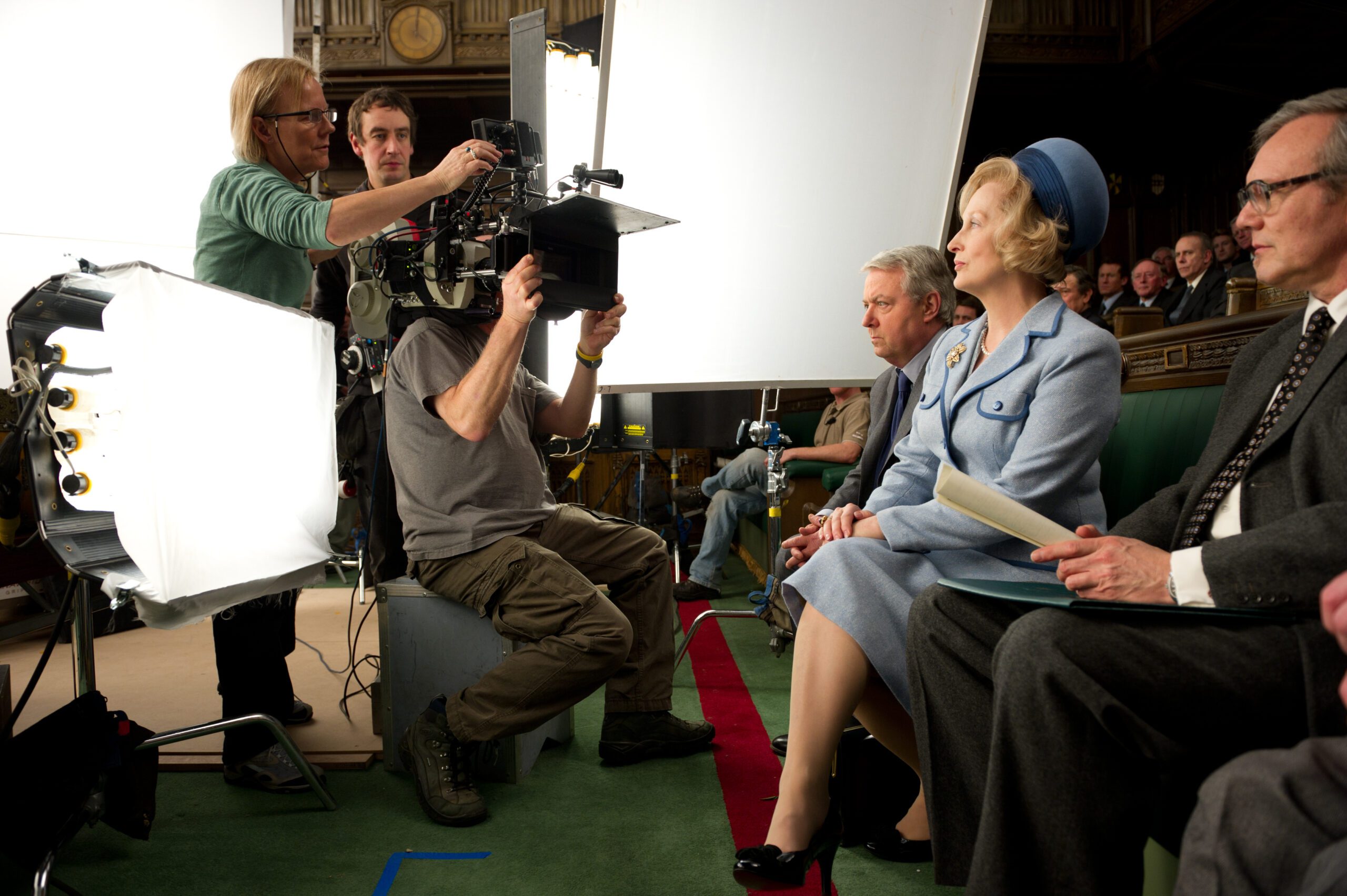
Streep uses her entire body to inhabit characters. For Julia Child, she adopted the slight hunch, the enthusiastic arm movements, the graceful clumsiness that characterized Child. For Thatcher, she studied how the Prime Minister used posture to project power, how she sat in Parliament, how she gestured during speeches.
This physical commitment extends to ages and ailments. In “The Iron Lady,” Streep convincingly portrayed Thatcher from her 40s through her 80s, adjusting her movements and voice for each life stage.
Emotional Truth: Beyond Technique
What elevates Streep’s technical mastery to greatness is her emotional honesty. She finds the human core in every character—the fears, hopes, loves, and vulnerabilities that make them relatable. Julia Child’s joy in discovering French cuisine, Margaret Thatcher’s determination to be taken seriously in a man’s world—these emotional truths transcend the historical specifics and connect with audiences universally.
Streep’s Career: Five Decades of Excellence
Meryl Streep’s career spans from the late 1970s to the present, with no signs of slowing down. Her filmography includes iconic roles across every genre:
Drama: “Sophie’s Choice” (Oscar win), “Kramer vs. Kramer” (Oscar win), “The Hours,” “Doubt” Comedy: “Death Becomes Her,” “The Devil Wears Prada,” “It’s Complicated” Musical: “Mamma Mia!,” “Into the Woods” Thriller: “The Manchurian Candidate,” “The River Wild” Period Drama: “Out of Africa,” “The French Lieutenant’s Woman“
This versatility—moving seamlessly between tragedy and comedy, contemporary and period, fiction and biography—demonstrates range that few actors can match.
Watch Meryl Streep’s Transformative Performances on Viasat Kino Balkan
This April, Viasat Kino Balkan presents two of Meryl Streep’s most celebrated biographical performances, showcasing her unmatched ability to embody real-life women with depth, complexity, and emotional truth.
Complete Viewing Schedule
Julie & Julia (2009) – Drama/Biography
- Wednesday, April 1, 2026 at 06:45 (6:45 AM EET)
- Thursday, April 2, 2026 at 16:35 (4:35 PM EET)
- Director: Nora Ephron | Cast: Meryl Streep, Amy Adams, Stanley Tucci
- Meryl Streep as Julia Child – the legendary chef who revolutionized American cooking
The Iron Lady (2011) – Biography/Drama
- Wednesday, April 1, 2026 at 17:15 (5:15 PM EET)
- Director: Phyllida Lloyd | Cast: Meryl Streep, Jim Broadbent
- Oscar-winning performance as British Prime Minister Margaret Thatcher
FAQ: Meryl Streep
Q: How many Oscars has Meryl Streep won?
A: Meryl Streep has won 3 Academy Awards: Best Supporting Actress for “Kramer vs. Kramer” (1979), Best Actress for “Sophie’s Choice” (1982) and “The Iron Lady” (2011). She holds the record for most nominations with 21 total (17 Best Actress, 4 Best Supporting Actress).
Q: How does Meryl Streep learn accents so perfectly?
A: Streep works with dialect coaches, studies videos obsessively, and practices for months before filming. She has a musical ear that helps her detect subtle variations in pronunciation. For Julia Child, she studied hundreds of hours of cooking shows. For Thatcher, she analyzed speeches and interviews from across decades.
Q: Why is Meryl Streep considered the greatest actress?
A: Several factors contribute: unprecedented 21 Oscar nominations demonstrating consistent excellence, versatility across genres and character types, mastery of accents and physical transformation, emotional depth combined with technical skill, and five decades of high-quality work. Few actors match her combination of talent, preparation, and longevity.
Q: Did Julia Child approve of Meryl Streep’s portrayal?
A: Julia Child died in 2004, five years before “Julie & Julia” was released, so she never saw Streep’s performance. However, Child’s family and friends reportedly loved the portrayal, saying Streep captured not just Child’s mannerisms but her spirit and personality.
Q: Was The Iron Lady controversial in Britain?
A: Yes, very controversial. Britain remains deeply divided about Margaret Thatcher’s legacy. Conservatives who admired Thatcher felt the film was disrespectful in showing her dementia. Progressives who opposed Thatcher’s policies felt the film was too sympathetic. Streep’s performance was universally praised, but the film itself sparked heated debate.
Q: How does Meryl Streep choose her roles?
A: Streep has said she looks for characters she finds interesting, directors she wants to work with, and stories worth telling. She’s rejected traditional “leading lady” limitations, playing a wide age range and refusing to conform to Hollywood beauty standards. This artistic freedom has allowed her unprecedented career longevity.
Q: What makes Streep’s Julia Child performance different from other biopics?
A: Streep avoided mere impersonation despite Julia Child’s very distinctive personality. She captured Child’s essence—the joy, the enthusiasm, the genuine passion for cooking—while revealing the real woman behind the public persona. The performance honors Child without reducing her to catchphrases and mannerisms.
Q: Will Meryl Streep work again with Nora Ephron?
A: Nora Ephron died in 2012, making future collaborations impossible. However, “Julie & Julia” represents one of Streep’s happiest professional experiences. Ephron and Streep trusted each other completely, allowing creative freedom that produced one of Streep’s most joyful performances. Their partnership on that film remains a highlight of both careers.