






Tim Burton’s Fantasy Worlds: Gothic Imagination Meets Heartfelt Storytelling
Tim Burton stands as one of cinema’s most distinctive visual artists—a director whose gothic sensibility, fantastical imagination, and outsider perspective have created some of film’s most memorable and visually stunning worlds. “Big Fish” (2003), airing April 2nd on Viasat Kino Balkan, represents Burton at his most emotionally mature—a father-son story that explores the line between truth and storytelling, featuring fantastical tales of giants, witches, circus performers, and magical towns that may or may not be real.
- The Burton Aesthetic: Gothic Wonder
- "Big Fish": Tall Tales and Emotional Truth
- Burton's Career: From Disney Animator to Auteur
- Burton's Recurring Themes: Outsiders and Imagination
- Big Fish's Legacy: Rediscovering Burton's Heart
- Watch Tim Burton's Fantasy Cinema on Viasat Kino Balkan
- FAQ: Tim Burton and Big Fish
The Burton Aesthetic: Gothic Wonder
Tim Burton’s visual style is instantly recognizable: twisted architecture, striped patterns, German Expressionist shadows, pale protagonists with dark circles around their eyes, exaggerated proportions, and a color palette favoring blacks, whites, grays, and occasional bursts of vivid color. This aesthetic—simultaneously macabre and whimsical—has influenced everything from fashion to theme parks to contemporary animation.
Early Influences: German Expressionism and Horror Classics
Burton cites German Expressionist films like “The Cabinet of Dr. Caligari” and classic Universal monster movies as formative influences. These films’ exaggerated sets, dramatic shadows, and sympathetic monsters appear throughout Burton’s work. He transforms these influences into something personal—gothic yet playful, dark yet emotionally accessible.
Burton grew up in Burbank, California, feeling like an outsider in suburban conformity. This background informs his recurring theme: misfits and outcasts who don’t fit into normal society but possess special qualities that make them extraordinary. His films celebrate these outsiders, suggesting that difference is valuable rather than shameful.
“Big Fish“: Tall Tales and Emotional Truth
“Big Fish” tells the story of Edward Bloom (Albert Finney in old age, Ewan McGregor in youth)—a dying man who spent his life telling fantastical stories about his adventures. His son Will (Billy Crudup) has grown frustrated with his father’s constant storytelling, wanting to know the real man beneath the tall tales. The film interweaves realistic present-day scenes with magical flashbacks to Edward’s adventures.
The Stories: Fantasy as Metaphor
Edward Bloom’s tales include: catching a giant catfish that nobody else could land, encountering a gentle giant who becomes his best friend, visiting a magical town called Spectre where nobody ever leaves, joining a circus where he meets a witch who can predict deaths, and wooing his wife through elaborate romantic gestures.
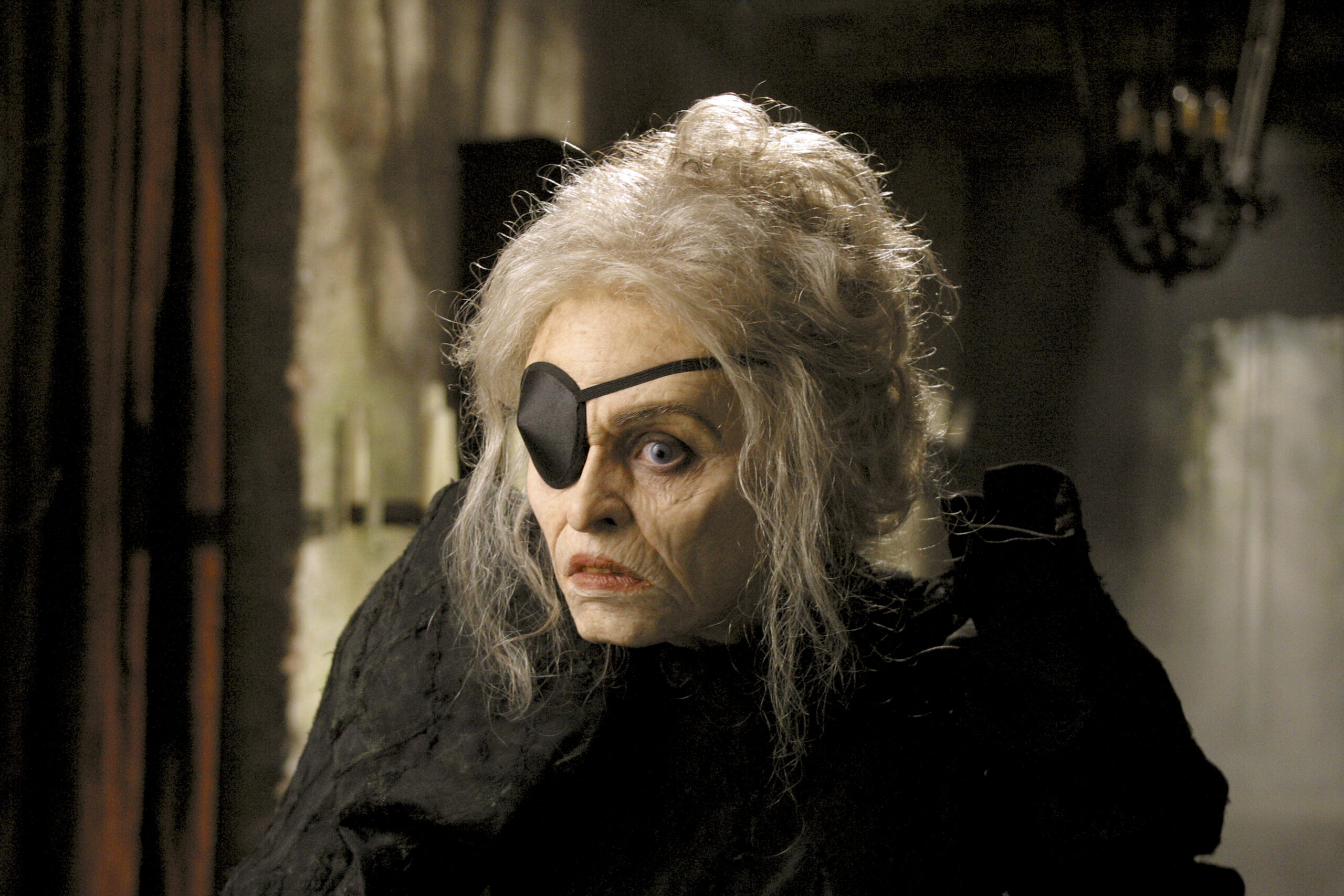
Burton presents these stories with full visual splendor—we see the giant (Matthew McGrory), the witch (Helena Bonham Carter), the circus, the perfect town—as if they were completely real. The film refuses to confirm or deny their truth, leaving audiences to decide whether Edward is a liar, a fantasist, or someone who experienced extraordinary events that sound impossible when described.
Father-Son Relationship: Burton’s Most Personal Film
“Big Fish” is unusually personal for Burton. While most of his films feature romantic outsiders or quirky protagonists, “Big Fish” explores the complex relationship between a storytelling father and a skeptical son. Will wants facts—who his father really was, what actually happened—while Edward believes stories reveal deeper truths than mere facts.
This tension drives the film’s emotional core. Will must reconcile his desire for literal truth with his father’s belief that stories give life meaning. By the film’s conclusion, Will understands that his father’s storytelling wasn’t deception but a way of creating magic in an ordinary world—and he continues that tradition.
Cast: Ewan McGregor and Albert Finney
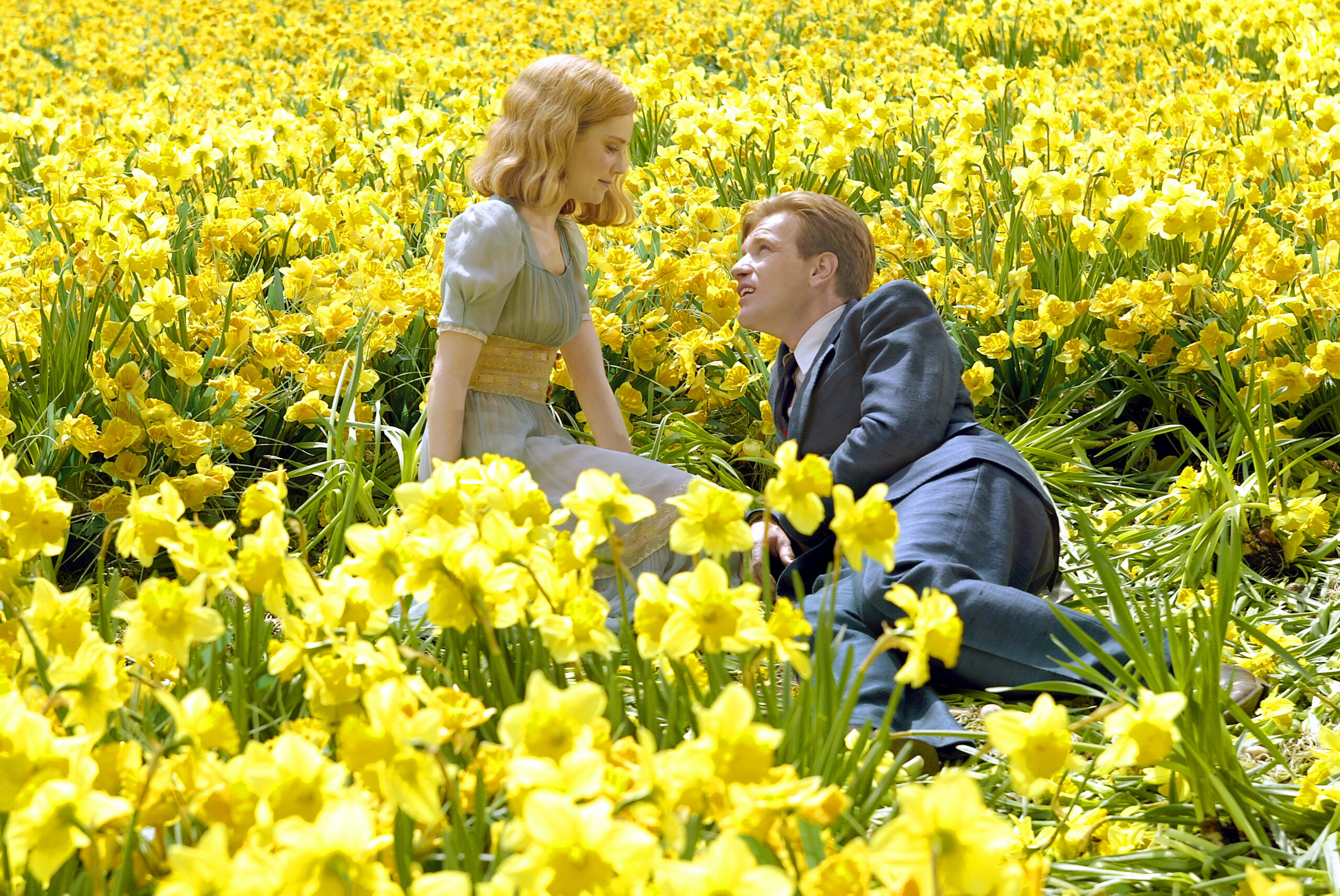
Ewan McGregor plays young Edward Bloom with charming energy and romantic optimism. His Edward is impossibly handsome, unfailingly brave, and endlessly creative in pursuing his dreams—exactly how a storyteller would describe himself. McGregor makes this larger-than-life character believable through genuine warmth and charisma.
Albert Finney plays elderly Edward with dignity and persistence—even as death approaches, he continues telling stories, believing in their power to the end. Finney and Billy Crudup create palpable tension as father and son who love each other but struggle to communicate across their different worldviews.
Visual Style: Burton’s Sunnier Palette
“Big Fish” represents a departure from Burton’s typical dark color schemes. The flashback sequences feature warm, golden light, vibrant colors, and sun-drenched Southern landscapes. This visual approach—more Steven Spielberg than typical Burton—reflects the father’s optimistic storytelling perspective.
However, Burton’s signature touches remain: the exaggerated proportions of the giant, the gothic mansion of the witch, the too-perfect pastel town of Spectre, and the surreal circus sequences. Burton adapts his style to serve the story rather than imposing it rigidly.
Burton’s Career: From Disney Animator to Auteur
Tim Burton began his career as a Disney animator, where his dark, twisted style clashed with the studio’s wholesome aesthetic. His early short films—”Vincent” and “Frankenweenie“—demonstrated his unique vision and led to directing opportunities in features.
Breakthrough Films: Beetlejuice and Batman
Burton’s commercial breakthrough came with “Beetlejuice” (1988)—a supernatural comedy that showcased his visual imagination and macabre humor. The film’s success led Warner Bros. to hire him for “Batman” (1989), which revolutionized superhero cinema with its dark, gothic approach and proved comic book films could be serious, artistic, and commercially successful.
“Batman’s” massive success gave Burton the creative freedom to pursue personal projects like “Edward Scissorhands” (1990)—his most autobiographical film, featuring Johnny Depp as a gentle artificial man with scissors for hands who doesn’t fit into suburban conformity.
Collaborators: Danny Elfman and Johnny Depp
Burton has maintained long-term creative partnerships that define his work. Composer Danny Elfman has scored almost every Burton film, creating instantly recognizable music that combines gothic grandeur with childlike wonder. Elfman’s “Batman” theme and “The Nightmare Before Christmas” songs became cultural touchstones.
Johnny Depp became Burton’s frequent leading man, starring in “Edward Scissorhands,” “Ed Wood,” “Sleepy Hollow,” “Charlie and the Chocolate Factory,” “Sweeney Todd,” “Alice in Wonderland,” and “Dark Shadows.” Their collaboration allows Depp to explore eccentric characters while Burton trusts Depp to embody his vision.
Burton’s Recurring Themes: Outsiders and Imagination
Burton’s films return to consistent themes that reveal his artistic preoccupations:
The Misunderstood Outsider
Nearly every Burton protagonist is an outsider: Edward Scissorhands can’t touch without cutting, Ed Wood makes terrible movies but loves the process, Sweeney Todd seeks revenge for stolen life, Ichabod Crane uses science in a superstitious world. These characters possess special qualities that society fears or rejects, yet Burton portrays them sympathetically, suggesting their difference makes them valuable.
Death as Transformation
Death appears frequently in Burton’s work, but rarely as frightening. “Beetlejuice” features dead protagonists as main characters, “The Nightmare Before Christmas” celebrates Halloween and skeletons, “Corpse Bride” shows the dead as more alive than the living. Burton portrays death as transformation rather than ending, with the afterlife often more colorful and interesting than mundane reality.
Creativity as Salvation
Burton’s characters often find meaning through creative expression: Ed Wood makes films despite lack of talent, Edward Bloom tells stories, Victor (“Corpse Bride”) plays piano, Jack Skellington experiments with Christmas. Creativity—even when imperfect or unconventional—provides purpose and connection in Burton’s universe.
Big Fish’s Legacy: Rediscovering Burton’s Heart
“Big Fish” was somewhat overlooked upon release (2003), with some critics finding it too sentimental for Burton. However, time has been kind to the film. Audiences increasingly appreciate its emotional honesty and recognize it as Burton’s most mature, heartfelt work—a film about accepting parents as flawed humans rather than perfect heroes or disappointing failures.
Critical Reassessment
Contemporary critics now rank “Big Fish” among Burton’s best films, praising its balance of fantasy and realism, its exploration of storytelling’s power, and its genuine emotional depth. The film demonstrates that Burton can tell grounded, human stories while maintaining his fantastical visual style.
Watch Tim Burton’s Fantasy Cinema on Viasat Kino Balkan
This April, experience “Big Fish“—Tim Burton’s most emotionally mature film, a magical exploration of fathers, sons, and the stories we tell to make life meaningful.
Viewing Schedule
Big Fish (2003) – Adventure/Drama/Fantasy
- Thursday, April 2, 2026 at 11:35 (11:35 AM EET)
- Director: Tim Burton | Cast: Ewan McGregor, Albert Finney, Billy Crudup, Jessica Lange, Helena Bonham Carter
- Father-son story told through fantastical flashbacks exploring truth, storytelling, and life’s magic
FAQ: Tim Burton and Big Fish
Q: Is Big Fish based on a true story?
A: “Big Fish” is based on Daniel Wallace’s 1998 novel of the same name. The book and film are fictional, though Wallace drew inspiration from Southern storytelling traditions and his own relationship with his father. The themes—fathers who tell tall tales, sons seeking truth—resonate because they reflect common family dynamics.
Q: Why is Big Fish different from other Tim Burton films?
A: “Big Fish” features warmer colors, more sunlight, and greater emotional openness than typical Burton films. The story is grounded in realistic family dynamics even as it includes fantasy sequences. Burton adapted his style to serve the father’s optimistic storytelling perspective rather than imposing his usual gothic darkness.
Q: What are Tim Burton’s most famous films?
A: Burton’s most iconic films include: “Beetlejuice” (1988), “Batman” (1989), “Edward Scissorhands” (1990), “The Nightmare Before Christmas” (1993, produced), “Ed Wood” (1994), “Sleepy Hollow” (1999), “Big Fish” (2003), “Corpse Bride” (2005), “Sweeney Todd” (2007), and “Alice in Wonderland” (2010).
Q: Why does Tim Burton always work with Johnny Depp?
A: Burton and Depp developed a creative partnership starting with “Edward Scissorhands” (1990). Depp trusts Burton’s vision and is willing to take risks with eccentric characters. Burton trusts Depp to embody his quirky protagonists without judgment. Their collaboration allows both to explore unusual ideas with mutual creative freedom.
Q: What is Tim Burton’s visual style called?
A: Burton’s aesthetic is often called “Burtonesque” or described as “gothic whimsy.” It combines German Expressionism, Victorian gothic, 1950s horror, and personal sensibility into something unique. Characteristics include: exaggerated proportions, twisted architecture, striped patterns, pale protagonists, dramatic shadows, and black-white-gray color schemes with occasional vivid accents.
Q: Did critics like Big Fish when it was released?
A: Reviews were mixed. Some praised its emotional depth and visual beauty, while others found it too sentimental or felt Burton’s style clashed with the heartfelt story. Roger Ebert gave it four stars, while other critics were more reserved. Over time, appreciation has grown, with many now considering it among Burton’s best work.
Q: What message does Big Fish convey about storytelling?
A: “Big Fish” suggests that stories can reveal deeper truths than literal facts. Edward Bloom’s tales—even if exaggerated or impossible—express emotional realities: his bravery, his love for his wife, his desire to make life magical. The film argues that how we tell our stories shapes who we are and how we’re remembered.
Q: Why do some people not like Tim Burton’s films?
A: Burton’s distinctive style can be polarizing. Critics argue his films sometimes prioritize visual style over substance, that his characters can feel similar across different films, that his gothic aesthetic becomes repetitive, and that some recent work feels like self-parody. However, his devoted fans appreciate exactly these consistent elements as personal artistic vision.